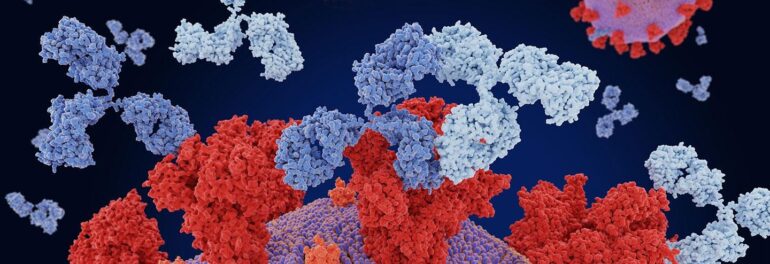

Abstract Molecule Artwork

Rethinking Fermentation: Halophiles and the Next Generation of Industrial Biotechnology

Key Takeaways

  • Halophilic microorganisms can grow under high-salt, high-pH conditions that suppress contamination, enabling open or nonsterile fermentation processes.
  • Next-generation industrial biotechnology (NGIB) reframes biomanufacturing by embedding process robustness into the biology of the production host rather than relying on sterile infrastructure.
  • Engineered Halomonas strains have demonstrated production of polymers and chemicals at pilot-relevant scales under nonsterile conditions.
  • Early industrial activity, including dedicated companies and corporate R&D programs, signals growing interest but not yet widespread adoption.
  • Continued advances in genetic tools, process integration, and scale-up will determine whether halophilic platforms become mainstream manufacturing alternatives.

The Constraint: Contamination and Sterilization in Biomanufacturing

Microbial fermentation remains a foundational technology across biomanufacturing, but it carries a persistent operational constraint: the need to prevent contamination. In conventional systems, production organisms are cultivated under conditions that are also favorable to a wide range of environmental microbes. Without intervention, these competing organisms can outgrow or interfere with the production strain, leading to batch failure, reduced yields, or product quality issues. As a result, most industrial fermentation processes are designed around strict sterilization requirements.

Sterilization is not a trivial step in manufacturing. It shapes facility design, equipment selection, and process workflows from the outset. Bioreactors, feed streams, and transfer lines must be sterilized before use, often through steam-in-place (SIP) systems or other validated approaches. This introduces additional capital investment and energy demand, while also extending turnaround times between batches. Maintaining sterility throughout the process further requires closed systems, validated cleaning protocols, and continuous monitoring, all of which add layers of operational complexity.

These constraints become more pronounced at scale. As fermentation volumes increase, the challenge of maintaining sterility across large vessels and complex fluid handling systems grows accordingly. Even minor contamination events can have significant economic consequences, particularly in high-value or time-sensitive production campaigns. In this context, contamination control is not simply a quality concern; it is a central driver of cost, throughput, and manufacturing risk.

The concept of next-generation industrial biotechnology (NGIB) has emerged in response to these limitations. Rather than relying on increasingly sophisticated methods to maintain sterile conditions, NGIB explores alternative biological and process strategies that reduce or eliminate the need for sterilization altogether. One of the most prominent approaches within this framework involves the use of extremophilic microorganisms, such as halophiles, that can grow under conditions inhospitable to most contaminating species. By shifting the biological operating window, these systems aim to reframe contamination from a constant threat into a largely mitigated variable, opening the door to simpler and potentially more robust fermentation processes.

Halophiles as a Fundamentally Different Biological Strategy

Halophilic microorganisms offer a fundamentally different approach to microbial cultivation by operating in environmental conditions that most organisms cannot tolerate. Among these, Halomonas species have emerged as particularly relevant for industrial biotechnology because of their ability to grow in media with high salt concentrations and, in many cases, elevated pH. These physicochemical conditions define a selective environment in which conventional contaminants are unable to survive or proliferate.1

This distinction is not simply biological. It has direct implications for how fermentation processes can be designed. In traditional systems, process conditions are optimized primarily around the needs of the production organism, with sterility maintained through external controls. In contrast, halophilic systems embed contamination resistance directly into the biology of the host organism. The growth environment itself becomes a barrier to unwanted microbial intrusion, reducing dependence on sterile infrastructure.

For Halomonas, this capability is not theoretical. The organism’s tolerance to osmotic stress and alkaline conditions enables stable growth across a range of nonstandard media compositions, including those that would inhibit most industrial contaminants. As a result, fermentation processes can be designed to operate under conditions that are inherently selective, rather than artificially controlled through sterilization protocols. This shift creates the possibility of rethinking core aspects of bioprocess design, from reactor configuration to feed strategy, with contamination resistance built into the system rather than imposed upon it.

Contamination-Resistant and Open Fermentation

The biological properties of Halomonas translate directly into process-level advantages, particularly in the context of contamination control. Because these organisms grow under high-salt and often alkaline conditions that inhibit most competing microbes, fermentation systems can be operated with far less reliance on sterility. This has enabled the development of open or unsterile cultivation strategies, in which the surrounding environment does not need to be fully controlled to prevent microbial intrusion.1

These approaches have moved beyond conceptual frameworks and into experimental validation. Engineered Halomonas strains have been cultivated under open and unsterile conditions in controlled bioreactor settings, demonstrating stable production of target molecules without the need for conventional sterilization protocols.2 In these systems, the selective growth environment serves as the primary barrier to contamination, allowing the production organism to maintain dominance throughout the fermentation process.

The implications extend to process configuration as well. Open fermentation conditions are compatible with continuous or semi-continuous operation, where maintaining sterility over extended production runs would otherwise be a limiting factor. By reducing the dependence on sterilized inputs, closed systems, and rigorous aseptic handling, these platforms offer a pathway toward simpler and potentially more flexible manufacturing workflows.

NGIB: A New Industrial Biotechnology Paradigm

NGIB builds on the premise that the limitations of conventional fermentation are not solely engineering challenges, but also biological ones. Rather than continuing to refine sterile processing around traditional hosts, NGIB proposes a shift toward organisms whose native physiology aligns more closely with industrial needs. Extremophiles, and particularly halophiles, sit at the center of this approach.

Within this framework, Halomonas has emerged as a leading chassis organism. Its ability to grow under high-salt and alkaline conditions provides a foundation for processes that are inherently resistant to contamination, while also supporting flexible and scalable production strategies. This makes it well suited to serve as a platform organism for engineered biomanufacturing systems.3

The goals of NGIB are closely tied to the constraints discussed earlier. By enabling open or minimally controlled fermentation, these systems aim to reduce reliance on sterilization and the infrastructure that supports it. This has direct implications for cost, as sterilization and aseptic processing represent significant contributors to both capital and operating expenses. At the same time, the use of robust host organisms allows for more stable performance under a wider range of process conditions, which can improve reliability and reduce sensitivity to environmental fluctuations.

In this sense, NGIB is not simply an incremental improvement in fermentation technology. It reflects a broader rethinking of how biological systems are selected and engineered for industrial use. Halomonas and related extremophiles are being positioned not just as alternatives to established hosts, but as the basis for a different class of manufacturing platforms designed around resilience, simplicity, and adaptability.4

Engineering Halomonas into a Production Platform

The transition of Halomonas from an environmental organism to a viable industrial host has depended on the development of a functional genetic and metabolic engineering toolkit. Early work focused on adapting core molecular biology methods to operate under high-salt conditions, but more recent efforts have expanded into more sophisticated strategies, including promoter engineering, pathway optimization, and genome-scale modification. These advances have enabled the systematic tuning of gene expression and metabolic flux in halophilic systems, bringing them closer to the level of control seen in more established hosts.

Promoter systems tailored to Halomonas have been a key part of this progress. By developing regulatory elements that function reliably under halophilic conditions, researchers have been able to achieve more predictable and tunable expression of target genes. This has supported the construction of engineered pathways for the synthesis of a range of products, while also allowing for tighter control over cellular resource allocation and productivity.

Pathway engineering has further expanded the capabilities of these organisms. Through the introduction and optimization of heterologous and native metabolic routes, Halomonas strains have been adapted to produce polymers, small molecule chemicals, and functional biomolecules. These efforts often involve balancing precursor supply, cofactor availability, and byproduct formation, reflecting a growing sophistication in how halophilic metabolism is being manipulated for industrial purposes.5

Among the available strains, Halomonas bluephagenesis has emerged as a primary engineered chassis. It has been the focus of multiple studies aimed at establishing a flexible production platform, in part because of its tolerance to a wide range of process conditions and its amenability to genetic modification. As a result, it serves as a model system for demonstrating how halophiles can be systematically engineered into production hosts capable of supporting diverse biomanufacturing applications.5

Demonstrated Production Capabilities

The development of Halomonas as a production host is supported by a growing body of experimental work demonstrating its ability to synthesize a range of industrially relevant products under nontraditional fermentation conditions. These studies move beyond proof-of-concept engineering and begin to establish performance benchmarks that are relevant to scale-up and process development.

One of the more extensively studied examples is the production of 3-hydroxypropionate, a platform chemical used in the synthesis of polymers and other materials. Engineered H. bluephagenesis strains have been shown to produce this molecule at high titers under open and unsterile fermentation conditions, highlighting the compatibility of product formation with the contamination-resistant process environment.2 This combination of metabolic performance and process robustness is central to the NGIB concept.

Polyhydroxyalkanoates (PHA) and related copolymers represent another major product class demonstrated in Halomonas systems. These biopolymers have been produced in engineered strains at pilot-relevant scales, including operation in tens- to hundreds-of-liter bioreactors. Such studies indicate that halophilic fermentation can be extended beyond laboratory-scale experimentation into more industrially meaningful settings, with sustained productivity and high cell density under open or minimally controlled conditions.6

In addition to single-product pathways, Halomonas platforms have also been used for multi-product biosynthesis strategies. Through metabolic engineering, strains have been designed to utilize low-cost or unconventional substrates while channeling carbon flux toward multiple target molecules. This flexibility reflects both the adaptability of the host organism and the expanding toolkit for pathway design, supporting the idea that halophiles can serve as generalist production platforms rather than niche systems limited to specific products.

Scale-Up and Industrial Feasibility

A critical question for any alternative microbial host is whether its advantages persist beyond laboratory-scale experiments. In the case of Halomonas, several studies have extended engineered strains into pilot-scale bioreactor systems, providing early evidence that the platform can translate into more industrially relevant settings. Fermentation processes have been demonstrated in the tens- to hundreds-of-liter range, including operation in 30-L and 100-L bioreactors, while maintaining the defining features of halophilic cultivation.6

These systems have achieved high cell density alongside sustained product formation, indicating that productivity can be maintained under conditions that differ substantially from conventional sterile fermentation. The ability to support dense cultures is particularly important for industrial feasibility, as it underpins volumetric productivity and overall process efficiency. In halophilic systems, this performance is achieved without the same level of environmental control typically required to suppress contamination.

The compatibility of Halomonas with open or unsterile fermentation further supports its potential for scale-up. Processes that do not depend on strict sterility are inherently easier to extend across larger volumes, where maintaining aseptic conditions becomes increasingly complex and resource-intensive. By embedding contamination resistance into the biology of the system, halophilic fermentation platforms offer a route to scaling that avoids some of the traditional bottlenecks associated with large-scale biomanufacturing.2

While these demonstrations remain at the pilot stage, they establish an important foundation. They show that the advantages observed at smaller scales (i.e., contamination resistance, flexible process design, and stable production) can be preserved as systems move toward industrially relevant volumes, positioning Halomonas as a credible candidate for further scale development.

Early Industry Signals and Commercialization Pathways

The following examples are drawn from company disclosures, institutional materials, and translational research affiliations. While not all represent fully commercialized platforms, they provide insight into how halophilic fermentation systems are beginning to move beyond academic development and into early industrial exploration.

Dedicated Companies Emerging

One of the clearest indicators of commercialization potential is the emergence of companies directly linked to Halomonas platform development. Bluepha Co., Ltd. is among the most visible examples, appearing as an affiliated organization in peer-reviewed work focused on engineering Halomonas strains for industrial applications. This connection reflects a broader pattern in which advances in NGIB are transitioning from academic laboratories into company-led development efforts. The involvement of a dedicated entity suggests an intent to translate platform capabilities into scalable production systems, even if widespread deployment has not yet been realized.7

Industrial R&D Programs

In parallel, larger industrial organizations have begun exploring Halomonas-based fermentation within structured research and development programs. Daigas Group has reported efforts to develop biomanufacturing processes using Halomonas to produce chemicals that would otherwise be derived from fossil resources. These activities are being pursued within consortium-based initiatives that include multiple industrial partners, indicating a collaborative approach to advancing the platform. The focus on scale-up and diversification of product targets further suggests that these efforts are aimed at evaluating industrial feasibility rather than remaining at the level of exploratory research.8

These signals point to the early stages of a commercialization pathway. Dedicated companies linked to the academic NGIB ecosystem and corporate R&D programs focused on halophilic fermentation both indicate growing interest in translating this approach into practice. At the same time, the available evidence does not suggest widespread adoption within established biomanufacturing infrastructure, including contract development and manufacturing organizations. The platform remains in an emerging phase, with pilot-scale validation and early industrial engagement laying the groundwork for potential expansion rather than reflecting a mature, broadly deployed technology.

Remaining Challenges

Despite the progress in developing Halomonas as a production host, several technical and practical challenges continue to limit broader adoption. One of the most fundamental is the relative complexity of engineering extremophiles compared to well-established model organisms. Hosts such as Escherichia coli or Saccharomyces cerevisiae benefit from decades of tool development, standardized workflows, and extensive biological understanding. By contrast, halophilic systems require adaptation of these tools to function reliably under high-salt and often alkaline conditions, which can affect everything from DNA stability to protein expression and enzyme activity.

Although significant advances have been made in developing genetic toolkits for Halomonas, these systems are still evolving. Efforts to improve promoter libraries, regulatory control, and genome-editing capabilities are ongoing, but they do not yet match the depth and flexibility available in conventional hosts. This can limit the speed and predictability of strain engineering, particularly for more complex metabolic pathways or multi-product systems.3

Industrial deployment presents an additional layer of complexity. While pilot-scale demonstrations have shown that halophilic fermentation can be extended beyond the laboratory, the transition to full commercial-scale manufacturing introduces new considerations. These include process integration, downstream processing under high-salt conditions, and compatibility with existing manufacturing infrastructure. As a result, Halomonas-based systems remain in an early stage of industrial adoption, with continued development needed to address both biological and engineering constraints before they can be widely implemented.4

Strategic Implications for Biomanufacturing

The emergence of halophilic fermentation platforms carries implications that extend beyond individual processes to the broader design of biomanufacturing systems. One of the most significant is the potential shift away from strictly sterile operations toward process environments that tolerate, or even leverage, nonsterile conditions. By embedding contamination resistance within the biology of the production organism, Halomonas-based systems introduce the possibility of simplifying facility design and reducing reliance on aseptic infrastructure. This represents a meaningful departure from the conventional paradigm in which sterility is maintained through increasingly complex engineering controls.

At the same time, these platforms contribute to an expansion of the microbial chassis landscape. For decades, industrial biotechnology has relied heavily on a small set of model organisms. The development of Halomonas as a production host suggests that this landscape may broaden to include organisms selected not only for their genetic tractability, but also for their compatibility with industrial operating conditions. This shift reflects a more integrated approach to host selection, where biological robustness and process design are considered together rather than sequentially.

These changes also align with broader priorities in industrial biotechnology, including cost reduction and sustainability. Reducing or eliminating sterilization steps can lower energy consumption and simplify operations, while the ability to utilize unconventional or lower-cost substrates supports more flexible feedstock strategies. Within the NGIB framework, these attributes are not treated as incremental improvements, but as core design principles that shape how fermentation processes are conceived and implemented.

As these systems continue to develop, their impact will depend on how effectively they can be integrated into existing manufacturing ecosystems. Whether Halomonas-based platforms remain specialized solutions or evolve into more widely adopted alternatives will depend on continued progress in strain engineering, process development, and industrial validation.

References

1. Coimbra, Andre AB, et al. “Establishing Halomonas as a chassis for industrial biotechnology: advances in synthetic biology tool development and metabolic engineering strategies.” Microbial Cell Factories. 24: 133 (2025).

2. Jiang, Xiao-Ran, et al. “Hyperproduction of 3-hydroxypropionate by Halomonas bluephagenesis.” Nature Communications. 12: 1513 (2021).

3. Yan, Xu, et al. “The halo of future bio-industry based on engineering Halomonas.” Metabolic Engineering. 90: 16–31 (2025).

4. Zhang, Xiaohan, et al. “Next-generation industrial biotechnology for low-cost mass production of PHA.” Trends in Biotechnology. 42: 135–136 (2024).

5. Lin, Yina, et al. “Engineering Halomonas bluephagenesis as a chassis for bioproduction from starch.” Metabolic Engineering. 64: 134–145 (2021).

6. He, Hongtao, et al. “Engineering Halomonas bluephagenesis for pilot production of terpolymers containing 3-hydroxybutyrate, 4-hydroxybutyrate and 3-hydroxyvalerate from glucose.” Metabolic Engineering. 90: 117–128 (2025).

7. Shen, Rui, et al. “Promoter Engineering for Enhanced P(3HB-co-4HB) Production by Halomonas bluephagenesis.” ACS Synthetic Biology. 7: 1897–1906 (2018).

8. “Development of Biomanufacturing Using Halomonas Microorganism.” Daigas Group. Accessed 24 Apr. 2026.

Originally published on PharmasAlmanac.com on May 18, 2026.
The Renaissance of Microbial Fermentation

Initially, many smaller biologic drug substances — including recombinant proteins and peptides — were produced via microbial fermentation. However, with the advent of cell-culture systems, interest shifted to mammalian systems to produce larger proteins and antibodies. Now, the introduction of smaller, complex next-generation molecules, such as bioconjugates, antibody fragments and other scaffolds, is once again driving interest in fermentation as an effective manufacturing platform.

State of the Fermentation Market

Just 10 years ago, of the slightly more than 150 recombinant pharmaceuticals approved through 2009 for human use by the FDA and/or the EMA, more than half were manufactured via microbial fermentation using bacteria or yeast.1 

Since then, the biopharmaceutical industry shifted to focus largely on the development of mammalian cell culture systems for the expression of antibodies and other large proteins that require posttranslational modifications. In 2018, nearly 70% of biologics production capacity (in terms of volume, excluding blood/plasma products) utilized mammalian cell culture, primarily monoclonal antibodies (mAbs) produced using Chinese hamster ovary (CHO) host cells.2 The other 30% of capacity involved expression in microbial systems, with most processes relying on Escherichia coli.

Interest in microbial production is increasing. Microbial-produced biopharmaceuticals generated revenue of around $100 billion in 2017, and the segment is expanding at a significant 6% CAGR.3 

The expansion of the market for microbial fermentation reflects growth across product categories. The market for microbial fermentation for protein drugs increased from $44 billion to a projected $60 billion in 2020, while the markets for peptide hormones and vaccines increased from $18 to $28 billion and from $10 to $19 billion, respectively, over the same period.4 Many large pharmaceutical companies, including AbbVie, GlaxoSmithKline, Sanofi and Eli Lilly, leverage both microbial and mammalian manufacturing for their products, while others, such as Merck and Bayer, rely overwhelmingly on microbial systems.

The rate of outsourcing of fermentation processes to CDMOs is also on the rise.2 The value of the global contract pharmaceutical fermentation services market is predicted to surpass $4.0 billion by the end of 2026, expanding at a CAGR of 5.9%.5 Most biologics CDMOs specialize in either microbial or mammalian system, with only a handful (e.g., AGC Biologics, Fujifilm Diosynth Biotechnologies, KBI Biopharma, Emergent BioSolutions, Northway Biotechpharma) offering both systems.

A key factor in the renewed interest in microbial fermentation for biopharmaceutical manufacturing is the development of next-generation therapies based on smaller biologic drug substances, including antibody fragments, antibody–drug conjugate (ADC) payloads and small peptide fragments. Advances in genetically engineered microbial strains have also contributed to higher yields for biopharmaceutical production.3

Advantages of Fermentation

When choosing cell culture or fermentation as the manufacturing method of choice, the size of the biologic drug substance is often a major factor, as is whether significant posttranslational modifications (PTMs) are needed. 

Microbial fermentation in bacteria, yeast or fungi is generally preferred for smaller biologics (e.g., peptides, proteins, cytokines, growth factors, plasmid DNA, nucleic acids, single-domain antibodies, peptibodies and non-glycosylated antibody fragments). In these cases, processing times are typically much shorter, and media costs can be significantly lower than those associated with cell culture. The microbes are genetically engineered to produce large quantities of the desired biomolecules at concentrations much higher than can be achieved via expression in mammalian cells.

The high-cost, long-development timelines and lower expression levels associated with mammalian cell culture are contributing to the resurgence in interest in manufacturing processes using microbial organisms.6 In addition, most CHO systems are not effective for the production of complex, next-generation drug substances, such as single-domain antibodies, peptibodies and antibody fragments, with the right properties in clinically relevant amounts. Microbial fermentation is a better option in many cases.

Overall, microbial fermention–based manufacturing provides faster development, higher yields and quality, reduced variation between batches, better scaleability, and lower production costs.7 Mammalian systems, however, present clear advantages for certain types of proteins — such as trans-membrane, membrane-bound, and glycoproteins — owing to the absence of endoplasmic reticula in bacteria to facilitate proper translation and conformation.

Meet the Microbes

E. coli, the most prominent microbe used for fermentation, has been shown to be highly robust and economical for the production of biologic drug substances.1 Saccharomyces cerevisiae and Pichia pastoris are the most commonly used yeasts for pharmaceutical manufacturing. Interest in P. pastoris has grown due to its combination of prokaryotic growth characteristics and eukaryotic-like PTMs; it is used for the production of vaccines, antibody fragments, hormones, cytokines, matrix proteins and biosimilars.1

Recent Developments

To prevent the accumulation of the expressed recombinant proteins as insoluble aggregates or inclusion bodies, bacterial expression systems have been engineered to secrete the biologic drug substance into the periplasm or media for more rapid purification at higher yield and with a greater likelihood of obtaining the product in the desired conformation.8 

Several companies, including VTU Technology and Research Corporation Technologies, are developing advanced P. pastoris yeast expression systems for the production of drug substances. These microbial platform systems include innovations like promoter libraries that allow for the fine-tuning of gene expression by carefully matching promoters and target genes, as well as the genetic deletion of undesired glycosylation pathways, and the introduction of human-like genes that direct the glycosylation process. 

Fermentation at Northway Biotechpharma

Northway Biotechpharma has been offering contract development and manufacturing fermentation services to the pharmaceutical industry for nearly 15 years. We are a full-service CDMO with capabilities in strain and cell-line development, process development and scale-up for clinical and commercial GMP manufacture of biologic drug substances. Northway Biotechpharma provides support for the development and production of both branded biologics and biosimilars.

In keeping with the increasing demand for microbial fermentation for manufacturing biologics, we are  expanding our fermentation capacity by installing 3,000-L stainless steel bioreactors at our site in Vilnius. We are also pursuing the development of platform technologies and knowledge to further streamline our operations and reduce project timelines for our clients. 

References

  1. Rios, Maribel. “A Decade of Microbial Fermentation.“ Bioprocess International. 1 Jun. 2012. Web.
  2. Rader, Ronald A. and Eric S. Langer. “Biopharma Manufacturing Markets.” Contract Pharma. 8 May 2018. Web.
  3. Biopharmaceutical Fermentation Systems Market to be Worth US$ 17.8 Billion by 2026, Says TMR. Transparency Market Research. 19 Jul. 2018. Web.
  4. Dewan, Shalini Shahani. “Global Markets and Manufacturing Technologies for Protein Drugs.” BCC Research. 2016. Web.
  5. Jha, Shambhu Nath. “Growing Usage of Fermentation Techniques for Developing Active Pharmaceutical Ingredients expected to drive the Revenue Growth of the Contract Pharmaceutical Fermentation Services Market over 2018–2026. The Guardian Tribune. 15 Mar., 2019. Web.
  6. Challener, Cynthia. “The Search for Next-Gen Expression Systems.” Pharmaceutical Technology. 42:29–31 (2018).
  7. Stanton, Dan. “Microbial or mammalian? Biosilta backs the former licensing E. Coli platform.” Biopharma Reporter. 7 Apr. 2016. Web.
  8. Challener, Cynthia. “Fermentation for the Future.” BioPharm International. 1 Jan. 2015. Web.

Originally published on PharmasAlmanac.com on May 24, 2019.

Facilitating Clinical Manufacturing of Recombinant Proteins with Large-Scale Single-Use Fermentation Technology

In conversation with Pharma’s Almanac Editor in Chief David Alvaro, Ph.D., BIOVECTRA’s Scott Doncaster, Neil Morrison, and Cameron Graham discuss the company’s addition of single-use fermenter technology at its site in Windsor, Nova Scotia, Canada. The seamless integration of ABEC’s Custom Single Run (CSR) fermentation solutions with working volumes up to 1,000 liters will enhance BIOVECTRA’s high-growth biologic microbial fermentation processes and provide fast turnaround product-to-product and between batches, providing BIOVECTRA customers with greater flexibility, faster turnaround times, and higher capacity utilization.

David Alvaro (DA): Can we start with a primer on BIOVECTRA’s history with regard to fermentation?

Scott Doncaster (SD): BIOVECTRA entered the microbial space around 2005, starting with small-molecule microbial fermentation and purification. We rapidly doubled process titers and yields and created additional capacity. Building on these process science achievements, BIOVECTRA entered the clinical biologics fermentation space.

Producing both small and large molecules in the same space was quite challenging, however, due to containment needs for certain chemical compounds and the regulatory cleaning requirements for multi-product and multiple campaigns per year. The changeover between batches causes a significant loss of capacity due to the downtime during change-outs.

The decision was made to have two separate spaces, one for small molecule fermentation up to 15,000 liters alongside conventional organic synthesis capabilities, and a separate one for the production of microbial recombinant biologics via fermentation in two 17,000-L fermenters in Nova Scotia. This new project will address the gap in our capacity needs for the supply of clinical projects with 1000-L and smaller single-use (SU) fermenters. 

DA: What are the relative advantages of fermentation in stainless-steel (SS) versus SU systems?

SD: The key advantage with SS is the ability to achieve ideal fermentation conditions at a very large scale, even up to 100,000-L. Because SS units are permanent, however, they require the use of validated steam-in-place (SIP) / clean-in-place (CIP) processes to ensure that the sterile envelope, including the body of the fermenter, is maintained, which requires high upfront investments and ongoing costs in terms of time and labor.

In addition, SS systems carry significant operational burden, because there can be many manual operations, such as valve turns, that must be performed. New SS units are more automated, but there are still risks of failing the validated cleaning process of SIP/CIP if just a single solenoid valve fails. 

With SU technologies, there is no need for SIP/CIP because the systems come pre-sterilized and are only used once. This reduces the upfront and operational costs and setup/turnaround times. These systems also have a smaller footprint and tend to be more automated, with fewer manual interventions required — essentially the bag is changed and inlets and outlets reconnected — reducing risk of operator error, cross-contamination, and time on plant for cleaning.

Neil Morrison (NM): There has been a challenge with commercial-scale SU fermenters with regard to achieving the optimum process conditions. The key constraints have involved the cooling capacity and oxygen transfer rate (OTR) that can be achieved using SU systems. Escherichia coli, the most common microorganism used for fermentation, typically requires high OTRs that can only be reached with a suitable oxygen transfer coefficient or kLa. The kLa is a function of the power per volume and superficial gas velocity. Historically, in SU bags, it has been difficult to achieve the necessary mixing and power per volume to support high-growth microbial organisms such as E. coli. This is the limiting factor for the maximum scale of SU fermenters versus SU cell culture reactors.

DA: What specifically drove BIOVECTRA’s interest in implementing an SU fermenter for your clinical-scale operations?

NM: Looking at new technologies is part of BIOVECTRA’s culture. Our in-house engineering department is always analyzing innovative technology. We use science-based decisions to make our manufacturing operations as efficient as possible as we grow, and SU technologies have been one approach. For the new clinical biologics fermentation production line, we leveraged SU equipment for the rest of the process train and were looking for SU fermenters that could maximize the flexibility of disposable solutions for the clinical area.

If you can employ SU technologies across the entire process train, you basically eliminate the need for cleaning validation and significantly reduce the time for changeover between one product and the next. The more we convert, the faster we see the batch cycle time reduced, and the better production efficiencies we achieve.

Cameron Graham (CG): To identify possible SU fermenters, we expanded our own internal engineering resources to focus on the particulars of mixing and oxygen transfer rates in SU fermenters to ensure the selection of the vessel or the selection of the parameters that will give us the best chance of first-time success. We had established internal specifications but were not initially able to find any SU fermenters that quite matched them.

SD: We were challenged internally by the manufacturing, product transfer, and tech transfer groups to ensure that we could achieve the desired oxygen transfer rates and meet specific media feed requirements. We absolutely needed to satisfy those groups with real data to support the decision to implement an SU fermenter.

DA: What is fundamentally unique about the ABEC fermenters that made the difference? 

CG: The new ABEC units alleviate the key concerns with SU fermenters around mixing and oxygen transfer. With ABEC’s latest Custom Single Run (CSR) design, the power per volume is comparable to what you’d expect to see in a SS vessel of that size. In addition, the aeration rates make it possible to reach a comparable superficial gas velocity. As a result, from a mathematical standpoint, the kLa is basically comparable across that board to an SS vessel. ABEC has also been able to solve the cooling issue, with their SU systems able to handle the heat generated during fermentation, at least up to the 1,000-L scale.

SD: An additional value-add for the ABEC SU system is the reduced installation complexity, which leads to less downtime in the existing facility before the units can be up and running. A traditional SS installation would require piping changes and welding and could add three months to the area downtime and overall schedule.   

DA: To what extent are other CDMOs leveraging SU fermenter technology at this scale?

NM: BIOVECTRA will be the first Canadian CDMO to offer single-use microbial fermentation at a 1,000-L scale.

SD: With the basic technologies from other equipment vendors still in beta development with potential end-users, I expect that, for the near term, deployment of larger SU fermenters will be quite niche. Eventually, they will become more common for applications where speed and proven production are needed, such as in clinical operations.

There are changes occurring in the industry that are impacting fermentation process conditions. Our clients, for instance, are developing more optimized processes with higher titers and higher cell densities (25–30 g/L cell mass vs. 15 g/L). The fermenters we offer must be able to accommodate the oxygen transfer and mixing rates in these very, very dense cell mixtures. Those improvements have challenged some of the available technology, such as centrifugation or microfiltration. 

Where high titers and high cell densities are needed at scales of 1000 L and above, SS will probably still be preferred until further advances in SU fermenter technology can be achieved. Until someone designs larger SUs bag that can be pressurized and appropriately cooled and provide the right mixing and oxygen transfer rates, there will be a role for SS. 

We are already seeing a switch to the use of SU technologies for large-scale mammalian biologics production in new facilities, with existing SS infrastructure still being used for established, high-volume products. It makes sense for mammalian cell culture, since they require low-shear mixing rather than turbulent mixing, and the power needs are much lower. In addition, mammalian cells manage the temperature more effectively. Even for these processes, we can expect a balance between SU and SS going forward, depending on the types and volumes involved.

DA: Can you tell me a little about the timeline for the clinical facility and the total scale of the new investment?

SD: We’re looking to have the units operational for Q3 of 2022, the timing of which is largely a function of the lead times on some of the components needed. Most of the facility work will be completed over the Christmas shutdown. The total investment is approximately U.S. $6.5 million, which includes an upgrade of the downstream processing area, with the addition of dedicated harvest, purification, and downstream processing equipment for individual products. 

DA: Are there any plans to go beyond this project and install additional SU fermenters in Nova Scotia or at other sites?

SD: The capacity of the new 100-L and 1,000-L fermentation suites is currently being sold. We have predicted approximately 25–26 runs per year — basically a two-week cycle on a campaign. If things go faster, then we can complete more batches, but that is our current planning model. If there is more demand for capacity, we will obviously look at additional installations. We can build on the experience of this project easily.

DA: How great a strain does the transition to SU technology place on process development or on customer acceptance of your ability to take their processes and advance them using SU fermenters?

NM: The impact that moving from SS to SU fermenters could have on tech transfer was definitely part of the discussion. We looked at all of the technical aspects in detail. We have tracked each of the operations and the overall oxygen transfer rates and found that the same growth profiles are maintained, leading to the same end results. Our studies demonstrated that a very similar tech transfer plan will be involved, whether linked to an SS or SU fermenter.

SD: I think that’s where ABEC plays a role. We can use their white papers and development work to show comparability between the output or performance in a 100-L SS versus a 100-L SU system. We will also be developing our own white papers to generically show the comparability of a 20-L tech-transfer batch to an SU batch at 100 or 1,000-L.

We recognize the importance of showing that the technology transfers from the benchtop — whether a glass, autoclavable benchtop fermenter or a 30-L stainless fermenter — into a higher-throughput SU system. We have a method in place to address that question. Finding a partner in ABEC that wants to solve the challenges faced by SU fermenters has been terrific.

The beauty of E. coli is that fermentation processes has been proven and can be run in SU bags that are permeable to air and that are rocked or shaken for 48 hours. Such a process won’t produce the protein of interest at a commercially acceptable titer as would be achieved in a highly stirred, highly oxygenated system. So, for us, the question with clinical products isn’t about pass or fail; it’s about getting a certain amount of that product manufactured as quickly as possible, and SU systems offer tremendous advantages in this scenario.

DA: Can you tell me a little more about the different contributions that ABEC is making beyond the physical hardware?

NM: We have seen ABEC breaking the boundary of the SU fermenter, applying some really interesting design techniques to reach new areas. And we see them expanding beyond just fermentation. For instance, they have large mixing bags and SU mixers, as well as new SU tangential-flow filtration skids, which is something we have seen constrained in the past.

SD: I think that, through our shared communication back and forth, we will continuously improve this system; not just the bag, but the process analytical technology and the integration into the control system. They are open to our input and that back-and-forth exchange rather than simply selling a product and moving on to find the next customer.

CG: During the research and exploratory process, ABEC was very open as far as our challenging the capabilities of the system. We went into it with a healthy bit of skepticism that it could meet our demands. They were very open with sharing the information and justification to basically align with what we were seeing from our own internal calculations to ensure that we were making the best decision as far as technology and supply of consumables goes.

DA: What impacts do you think this SU fermentation technology will have, both for BIOVECTRA as an organization and to individual customers?

SD: At a high level, ABEC’s technology enables simpler technology transfer and thus helps facilitate getting products to the client within the required timeline. Our customers have clinical trials lined up, and those dates are hard, set, and fast. SS fermenters are highly complex, with lots of interconnecting systems, so validated methods can be difficult. If we have one failure or issue or we have a problem with a cleaning method validation, that can be a huge issue. Eliminating the need for cleaning validation with the SU fermenters will avoid those risks and clearly benefit both BIOVECTRA and our clients. Most importantly, this expedited timeline has the potential to make life-altering impacts to patients.  

Additionally, we are treating this new suite as a separate unit operation from our commercial production area. There will be dedicated people and staff working on clinical projects that are significantly accelerated compared with processes involving commercial products with multiple campaigns per year. The know-how and efficiencies will be further added benefits for our customers.

DA: Where does the new SU clinical fermentation suite fit into BIOVECTRA’s overall plan and what comes next?

SD: Overall, our goal is to meet market and client needs. We have somewhat of a niche market in the products we produce: E. coli-based microbially fermented chemical APIs and recombinant proteins. We don’t use 100,000-L or even 50,000-L fermenters like some CDMOs. At the same time, however, our commercial scale isn’t just a thousand liters over and over again. This new installation fills that gap for tech transfer scale-up to feed more clinical programs for recombinant proteins. For successful projects, we can then offer commercial capacity at the same location. Furthermore, as demand grows, BIOVECTRA is committed to adding more clinical and commercial capacity.

DA: To close the interview, I want to use the widest lens. What do you see as the next big thing in pharma?

SD: Due to the COVID-19 pandemic, we have seen the general acceptance of and ease of regulatory filing for nucleic acid medicines in response to infectious disease. They are very elegant compared with traditional approaches that start with the use of a microorganism like E. coli containing plasmid DNA to produce a protein that may or may not be folded in a manner that leads to bioactivity, which must then be purified and formulated. With nucleic acid medicines, the body creates the protein, eliminating a lot of those steps and risks.

The technology has been proven, and it should be applicable for many existing biologics, including vaccines — stripping it back down to conversion of DNA into a protein within the body. Now it needs to be more widely accepted. Of course, there are limitations, but the key right now is acceptance.

Nucleic acid medicines are of particular interest to BIOVECTRA because plasmids are produced via fermentation.

In particular, it is important to note that large quantities of plasmids can be produced in a very small facility. You can take the plasmid DNA and amplify it. With mRNA, for instance, the amplification of a drug from a single piece of plasmid is huge. Only a small starting mass is needed to produce a much larger mass with the addition of more raw materials.

BIOVECTRA has projects underway to advance our vaccine and plasmid technologies. Our fermentation capability is well established. The challenge is to scale up downstream processing. Our goal is to develop an elegant solution to this problem. A lot of it at the end of the day is classical biochemistry, which is where we have an advantage, because we have 50 years of synthetic chemistry, continuous processing, and other technologies under our belt that we can apply to advancing plasmid manufacturing.

Originally published on PharmasAlmanac.com on October 20, 2021.

Leveraging a Biomanufacturing Legacy to Support New Business

Grifols Recombinant Protein Contract Development and Manufacturing Organization (CDMO) has three decades of experience manufacturing recombinant proteins. Recently, the business expanded its focus to apply its experience to producing therapeutic proteins for biopharmaceutical organizations. Its new GMP consolidated manufacturing facility (CMF) on its Emeryville, California, campus supports this expansion.

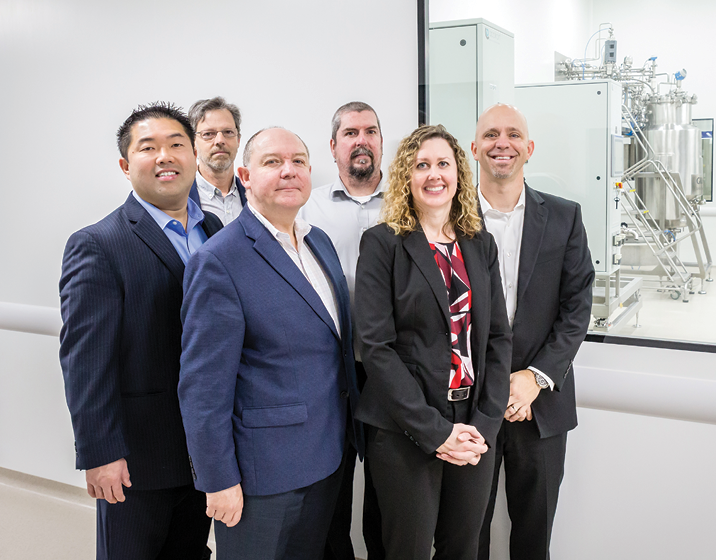
The CMF facility houses multiproduct production and features state-of-the-art equipment, including a distributed control system and a central data historian. We sat down with SIX diverse experts at Grifols Recombinant Protein CDMO to discuss how the group’s legacy and recent investments support its future in providing recombinant protein CDMO services.

Grifols Rec

Left to Right: 

Jevon Hsiao Director/Head of Validation, 
Richard E. Bruehl Principal Scientist, Analytical Methods Development, 
Ramon Biosca Vice President and General Manager, Industrial Group, 
Ian Coad Director, Manufacturing Technical Support, 
Chantale Robles Associate Director, Quality Compliance
Christian Mayer Senior Director of Operations


Ramon Biosca, Vice President and General Manager, Industrial Group

We have such an impressive team here specialized in GMP production of recombinant proteins, and we are investing in new facilities on the Emeryville campus. With this foundation, we have entered into the CDMO space to provide these services to other companies and generate growth for this division. Our new GMP manufacturing building was licensed by the FDA in 2018, and we have completed the transfer of our licensed products into the facility. We also just broke ground on a pilot plant for development, scale–up, and early clinical-stage projects, and to feed into and support our GMP manufacturing facility.

Our breadth and depth of expertise in microbial expression are based on three decades of experience with GMP production and working with regulatory agencies. We are now adding mammalian expression for complex proteins that are not active in microbial systems. Grifols has always been a pioneer, and our pioneering spirit is especially evidenced through how we leverage our strengths to support customers. We are ready and available for these new contract projects, to bring your vision to life.

Ian Coad, Director, Manufacturing Technical Support

A primary pillar of the Grifols philosophy since the 1940s, and a keyword throughout the company globally, is innovation. A critical piece of that innovation is the flexibility built into our operations, both in terms of the design of the facilities and the people who work in them. I think that the CMF project has given everyone more experience at working cross-functionally and jumping into new places to provide critical support.

As part of the global Grifols group, including Grifols Engineering, we have considerable flexibility to reassign resources while still maintaining our quality standards. Working with Grifols Engineering gives us a lot more control over design — we have insight into the systems developed by the same team in service at different facilities throughout the world. The engineering team understands the equipment so well because they designed it and built it, and they can share that knowledge with maintenance and the system owners. Having a deep understanding of the equipment coming in is a definite benefit.

Jevon Hsiao, Director/Head of Validation

From an organizational perspective, we have always looked for ways to streamline validation to be agile and robust, something that can be a major challenge at other organizations.

Our validation strategy is comprehensive and risk based. Our master validation plan is supported by various elemental plans, which govern process/cleaning validation and infrastructure qualification. This plan structure facilitates consistency across validation efforts as well as flexibility to accommodate unique product and process requirements. As we continue to introduce new products and bring on new clients, we are always seeking to continuously improve both the quality of our systems and execution. It’s an ongoing effort for our validation team to always adopt best practices and be agile in introduction of new products.

Christian Mayer, Senior Director of Operations

We have a very diverse organization with experience in many areas within process development and manufacturing. In our CDMO business, we rely on this diversity and experience to pull in the skills to work on new projects. This is not an organization that has simply been producing a single product for the last 15 years — it’s an experienced team of people that produces 21 different products at any given time. We have the technical expertise, equipment, utilities, facility, and capital necessary to help others bring new products to the market, regardless of the customer or the process. Our skillset is complemented by an efficient, flexible workspace that allows us to process and changeover quickly to meet the needs of current and future products.

Richard E. Bruehl, Principal Scientist, Analytical Methods Development

A challenge in analytical method development is to innovate solutions to technological limitations in standard test methods and keep pace with testing requirements for new molecules and robust product development. Our method development group has a legacy of analytical development beginning with Chiron, transitioning through Novartis, and now flourishing with Grifols where we support a large suite of test methods optimized for an array of recombinant proteins. Since Grifols has taken charge of the Emeryville site, we have successfully standardized internal operations to increase efficiency, add value, and reduce redundancy. We thoroughly reviewed our legacy tests and method validations for effective applications and lessons learned, and consulted with subject matter experts to inform our current approaches.

Updating our protocols to stay current with state-of-the-art technology and test methods is critical to our success in commercial development and our ability to successfully partner with others. If a customer has a specific bioanalytical requirement, we likely already have a method in our repertoire. If we don’t, we have the flexibility to adapt existing methods or develop new ones.

Updating our protocols to stay current with state of-the-art technology and test methods is critical to our success in commercial development and our ability to successfully partner with others.

Chantale Robles, Associate Director, Quality Compliance

The value of culture in quality assurance and control programs is inherently difficult to measure, but it is even more important than technology and tools. Our quality department has a good cultural environment marked by an experienced staff that’s encouraged to innovate and is unencumbered by red tape. Over 20 percent of the Grifols quality department have worked here more than 20 years. We attribute that longevity to creating a flexible work environment where efficiency-enabling innovation is rewarded, not stifled by the debilitating “this is how we’ve always done it” excuse. This, combined with newer employees with past experience from other companies and industries, provides us a broad knowledge of quality culture and application allowing us to bring the best programs to our customers.

There’s no better way to truly get the pulse of an organization than engaging with people across departments and examining the culture and unifying vision from a plurality of voices. All of the experts at Grifols Recombinant Protein CDMO emphasize the legacies of quality and innovation at the Emeryville site and across Grifols that provide the organization’s foundation, but are particularly inspired by the current change of focus. This is an experienced team that is agile and flexible and excited by this opportunity — through a creative, collaborative, and interdisciplinary approach — to apply the knowledge and skills honed over decades of precise manufacturing, analytics, and validation to support customers with new and complex proteins as a Contract Development and Manufacturing Organization.

Originally published on PharmasAlmanac.com on March 19, 2020

An Experienced CDMO Can Be a Differentiator in the Rapidly Growing Biologics Market

The demand for biologic drugs continues to grow at a steady 12–14% annually. To keep up, biotech and biopharma developers are increasingly relying on outsourcing partners to meet both clinical and commercial research, development, and production needs. Contract research, development, and manufacturing organizations like Scorpius BioManufacturing (previously Scorpion Biological Services) that provide end-to-end services, including secure supply chains, can help biologics developers meet accelerated timelines and establish a real competitive advantage in today’s competitive market.

Continued Strong Growth for the Biologics Market

The biologics market today comprises a wide range of modalities, including proteins, antibodies, antibody-based materials (e.g., antibody–drug conjugates, antibody fragments, multispecific antibodies), hormones, enzymes, peptides, nucleic acids, cell therapies, gene therapies, vaccines, and more. In addition to innovator molecules, the market now also includes biosimilars and biobetters. 

Estimated values for the global biologics market vary widely, owing to the inclusion/exclusion of certain product classes in individual calculations. There is general agreement, however, that the market has grown steadily over the last decade and will continue to do so going forward. According to consulting firm BioPlan Associates, the biologics market has grown at a consistent 12–13% annually for the past decade, with even higher rates observed for some segments during the COVID-19 pandemic.1 Going forward, the company anticipates continued growth at 12–14% per year for therapeutics and bioprocess supplies.

Demand for biologic drugs varies around the world. From a global perspective, small molecule drugs account for approximately 90% of sales.2 In the United States and other wealthy nations that can afford biotherapeutics, they account for greater percentages of the market. 

Monoclonal Antibodies Still Predominant

From January 2018 to June 2022, 180 distinct biopharmaceutical drug substances were approved in the United States and/or the European Union. At 97 (53.5%), monoclonal antibodies (mAbs) accounted for the greatest number of those products, by a large margin.3 In addition, mAbs make up just over half (51%) of the genuinely new biologic drugs that received approval during this period. From a financial perspective, mAbs are even more dominant, accounting for 80% of total protein-based global biopharmaceutical sales in 2021. Total sales of mAb-based products, which included 15 of the top 20 products by sales generated, were valued at $217 billion that year.

All newly approved antibodies are engineered to enhance structural or functional features, including glycoengineering.3 Next-generation antibodies have also received approvals, including bispecific mAbs, bivalent nanobodies, antibody fragments, and antibody–drug conjugates (ADCs). 

With regard to products in development, nearly one third (2,500+) in clinical trials are mAbs or mAb-derived drug substances, which represents the largest class of candidate compounds.3 Many of these drug candidates are ADCs, bispecifics, or antibody fragments.

Biosimilars Finally Start Making a Splash

Biosimilars were slow to receive approvals –– the U.S. FDA approved the first biosimilar, filgrastim-sndz (Zarxio; Sandoz/Novartis), in 2015 –– and then slow to achieve widespread adoption by physicians and patients. That has changed, with biosimilar approvals rising dramatically around the world. In the United States alone, 39 biosimilar products have been approved, with 74% of them reaching the market in the period from January 2018 to September 2022.3,4 In mid-June 2022, nearly 100 biosimilars intended for marketing in the United States were in clinical development.3

According to an Xcenda report, the sales price of reference products has declined on average by 45% since the introduction of biosimilar competitors.5 Meanwhile, annualized savings from biosimilars reached $6.5 billion in 2020,4 and IQVIA estimates that physician-administered biosimilars will generate $215 billion in savings through 2026.6

Mammalian Cell Culture is Preferred

Most (85%) novel biologic drug substances that have received approval in recent years have been produced via mammalian cell culture.3 Chinese hamster ovary (CHO) cells remain the top expression system, with 89% of large molecule active pharmaceutical ingredients (APIs) produced in this manner. Fermentation is used when glycosylation is not required and for smaller biologic molecules. Escherichia coli was most widely used (for 36 approved products since 2018). Other systems employed for approved products include Pichia pastoris, Saccharomyces cerevisiae, and Pseudomonas fluorescens.

Targeting Greater Efficiency and Productivity

One of the biggest challenges facing the biopharmaceutical industry is the shortage of trained and skilled staff with experience in producing high-quality biologics under GMP conditions.1 One way to reduce the human resource need is to increase efficiency and productivity. Multiple strategies can be employed to achieve that goal. 

Higher titers and yields mean that more material is obtained per batch, and both continue to increase due to process optimization efforts.1 Increasing yields is but one way in which biologics manufacturers are seeking to achieve process intensification. Continuous bioprocessing is another.

Most biologics manufacturers are also automating some or all of their bioprocess operations, and equipment suppliers are facilitating this trend by building automation solutions into their products.1 Automation leads to reduced need for operators, reduced risk of human error, and — typically — improved efficiency. McKinsey estimates that by 2030 up to 30% of manufacturing personnel in the biopharma industry could be displaced by automation.7

The growing adoption of single-use technologies at commercial scale further enhances efficiency and productivity, reducing facility costs and size and enabling faster changeovers for reduced overall processing times.1,7 It also affords greater flexibility, which is essential for modern multiproduct facilities that must have the capability to rapidly switch between processes and manufacture products over wide volume ranges.

In addition to implementing automation strategies, many pharma companies have embarked on digital transformation journeys with the goal of increasing efficiency and productivity across all activities, including drug discovery, development, and manufacturing. Artificial intelligence (AI), machine learning (ML), natural language processing, cloud and edge computing, the Internet of Things, and big data analytics are all being leveraged. Some companies are also exploring even newer digital solutions, such as quantum computing, digital twins, and augmented reality.8

AI finds the greatest use in drug discovery, with many pharma companies partnering with AI-focused developers to deploy new algorithms that can enable selection and then further development of candidates with the greatest likelihood of exhibiting high efficacy and commercializability. Nearly 270 companies have been identified as pursuing AI-driven drug discovery technologies, with more than half located in the United States.9 Approximately 15% of them also have their own candidates in preclinical development. 

AI has the greatest impact, however, when biopharma companies integrate AI technologies into day-to-day activities — managed by a dedicated team of experts in data science, engineering, software development, epidemiology, discovery sciences, clinical, and design.9 Specific to biologics development, AI accelerates experimental biology research, dramatically reduces the time required to generate protein structures, facilitates drug repurposing, and aids in  the identification of novel mechanisms of action. Computer-aided biology leveraging ML, meanwhile, allows for better design and modeling of biologic systems.7

Potential Capacity Concerns

In addition to workforce issues, biopharmaceutical manufacturers continue to face supply chain challenges and concerns about production capacity that can be attributed to the COVID-19 pandemic.10 Expansion of both R&D and commercial production capacity is underway. This has some worried about an over-capacity crisis once shift in demand in the wake of the pandemic eases. In the meantime, increased outsourcing and reorganization of supply chains, including more second sourcing, can be expected.

The United States has the greatest number of bioprocessing facilities, while Europe, with larger plants, has the greatest capacity.10 Asia is rapidly adding sites, but with lower capacities. The 100 largest facilities account for approximately two-thirds of global capacity, but the largest sites rely on legacy stainless-steel bioreactors of 10,000 L or more, and few of these facilities are being built today.

Biologics R&D Outsourcing Market Trends

The COVID-19 pandemic highlighted severe shortcomings within the biopharmaceutical supply chain. Building flexibility and agility has become a key focus for all biopharma companies. Outsourcing has become a bigger part of manufacturing strategies, particularly increased regionalization with greater levels of second sourcing.7

The global biologics discovery market is anticipated to expand from a value of approximately $17 billion in 2022 to reach approximately $22.5 billion in 2025.11 From 2016 through 2025, lead optimization was the largest segment in dollar terms. Demand for lead identification and target identification services was similar, with each about one-third that for lead optimization. Hit generation/validation was the smallest segment of the market. 

Combined estimates for the value of the market for biopharmaceutical contract manufacturing and contract research services in 2021 total $28.7 billion, with growth projected at a CAGR of 6.68% and the value reaching $51.36 billion by 2030.15 A top driver of this growth is the strong pipeline of biology drug candidates for which outsourcing is extensively relied upon. The CRO segment is expected to experience the highest growth rate.

The global biologics contract development and manufacturing market, meanwhile, is expected to expand at a CAGR of 12.20%, adding $8.65 billion of additional revenue from 2021 to 2026.13 North America will contribute 41% of that market growth with a growth rate higher than that for the rest of the world.14 Prioritization of in-country manufacturing by the largest CDMOs is a key reason for the rapid growth in North America, particularly after the COVID-19 pandemic underscored potential vulnerabilities in complex, global supply chains, leading North American biopharma companies to increasingly seek manufacturing partners in the region.13

It should be noted that Asia, including India, China, and South Korea, accounts for the largest percentage of the market, and demand for CDMO services is expanding rapidly there as well.13 South America will also see significant growth in coming years. 

With this fast growth, it is anticipated that, by 2025, nearly half of biopharma capacity (small molecule and biologics) will be performed by CDMOs.13 The largest CDMOs — Samsung Biologics, Lonza, WuXi Biologics, and FUJIFILM Diosynth Biotechnologies — will account for half of that production capacity. Nearly 90% of respondents to a 2022 survey of executives at major biopharmaceutical firms indicated that their companies outsource at least some of their activities.15

Biologics Services from Scorpius BioManufacturing

One of the greatest challenges in biologic drug development today is to develop robust processes and analytical methods to support the production of preclinical, clinical, and hopefully commercial material for promising drug candidates. Emerging biotech and biopharma companies in particular, but also many medium and large firms as well, rely on outsourcing partners to develop reliable, efficient, and cost-effective production processes. They also require outsourcing partners that can help identify the necessary assays that must be performed to support early process development through product release and can then develop robust methods that can ultimately be qualified and validated.

Scorpius BioManufacturing (formerly known as Scorpion Biological Services) has a wealth of experience taking large molecule drugs to market. Our leadership team has extensive experience providing R&D, bioanalytics, manufacturing, and regulatory support. Integrated process and analytical development expertise enables the design of robust processes while reducing time to the clinic. We also have the deep know-how needed to overcome the biomanufacturing challenges that inevitably arise as candidates progress through the stages of drug development and marketing approval. 

Our new purpose-built facility designed to meet current and future biomanufacturing needs can support clinical programs that involve mammalian cell culture and microbial fermentation with flexible, available capacity and state-of-the-art equipment. Our sourcing team has established extensive material stocks and relationship with suppliers, ensuring a resilient supply chain and the ability to meet aggressive client timelines. 

A brand-new commercial-scale facility currently planned in Manhattan, Kansas, will support clinical customers as their projects progress to later stages and ultimately commercialization. The equipment to be installed in the commercial-scale facility will be of the same configuration as the equipment used at the San Antonio clinical site to facilitate effective and efficient scale-up. In addition, the largest process development bioreactors and fermenters used at the San Antonio site will also be installed at the Manhattan facility to streamline tech transfer from one site to the other.

As an accessible U.S.-based contract research, development, and manufacturing organization (CRDMO) offering end-to-end support to biologics developers combined with speed and supply-chain security, Scorpius BioManufacturing is ready to welcome clients who wish to work with a customer-oriented outsourcing partner that emphasizes transparency, open communication, and true collaboration.

References

  1. Stanton, Dan. “BioPlan report: Buoyant bioprocess space will continue to shine post-COVID.” Bioprocess International. 17 Oct. 2022. 
  2. Buvailo, Andrii. “Will Biologics Surpass Small Molecules In The Pharmaceutical Race?” BiopharmaTrend.com. 21 Feb. 2022. 
  3. Walsh, Gary and Eithne Walsh. “Biopharmaceutical benchmarks 2022.” Nature Biotechnology. 40: 1722 (2022). 
  4. Ulrich, Jocelyn. “Biosimilar uptake is increasing and so are health savings.” PhRMA Catalyst. 17 Oct. 2022. 
  5. The biosimilars marketplace: Part one. Xcenda. 1 Jul. 2022. 
  6. Kent, Chloe. “Biosimilars To Generate $215bn In Savings Through 2026, Says IQVIA.” Generics Bulletin from Pharma Intelligence. 4  Feb. 2022. 
  7. Newton, Emily. “The Top 4 Biopharmaceutical Manufacturing Trends in 2022.” ISA Blog. 2022. 
  8. Buntz, Brian. “6 biopharma industry trends.” Drug Discovery Trends. 27 Sep. 2022. 
  9. Devereson, Alex, Erwin Idoux, Matej Macak, Navraj Nagra, and Erika Stanzl. “AI in biopharma research: A time to focus and scale.” McKinsey & Co. 10 Oct. 2022. 
  10. Ranck, Joel. “Top Biomanufacturing Trends for 2022.” DCAT Value Chain Insights. January 13, 2022. 
  11. Mikulic, Matej. “Global biologics discovery market worldwide by phase 2016-2025.” Statista. 20 Apr. 2022. 
  12. Biopharmaceutical CMO and CRO Market Size is projected to reach USD 51.36 billion by 2030, growing at a CAGR of 6.68%. Straits Research. 2 Aug. 2022. 
  13. Sullivan, Josh. “North American CDMO market poised for a boom to $8.65B by 2026 — report.” Endpoints News. 14 Feb. 2022. 
  14. Biologics CDMO Market: 41% of Growth to Originate from North America, Mammalian Segment to be Significant for Revenue Generation. Technavio. 9 Aug. 2022. 
  15. Khanna, Smita. “2022 Outsourcing Trends In Biopharmaceutical Manufacturing.” Outsourced Pharma. 15 Jun. 2022. 

Originally published on PharmasAlmanac.com on January 31, 2023